Context
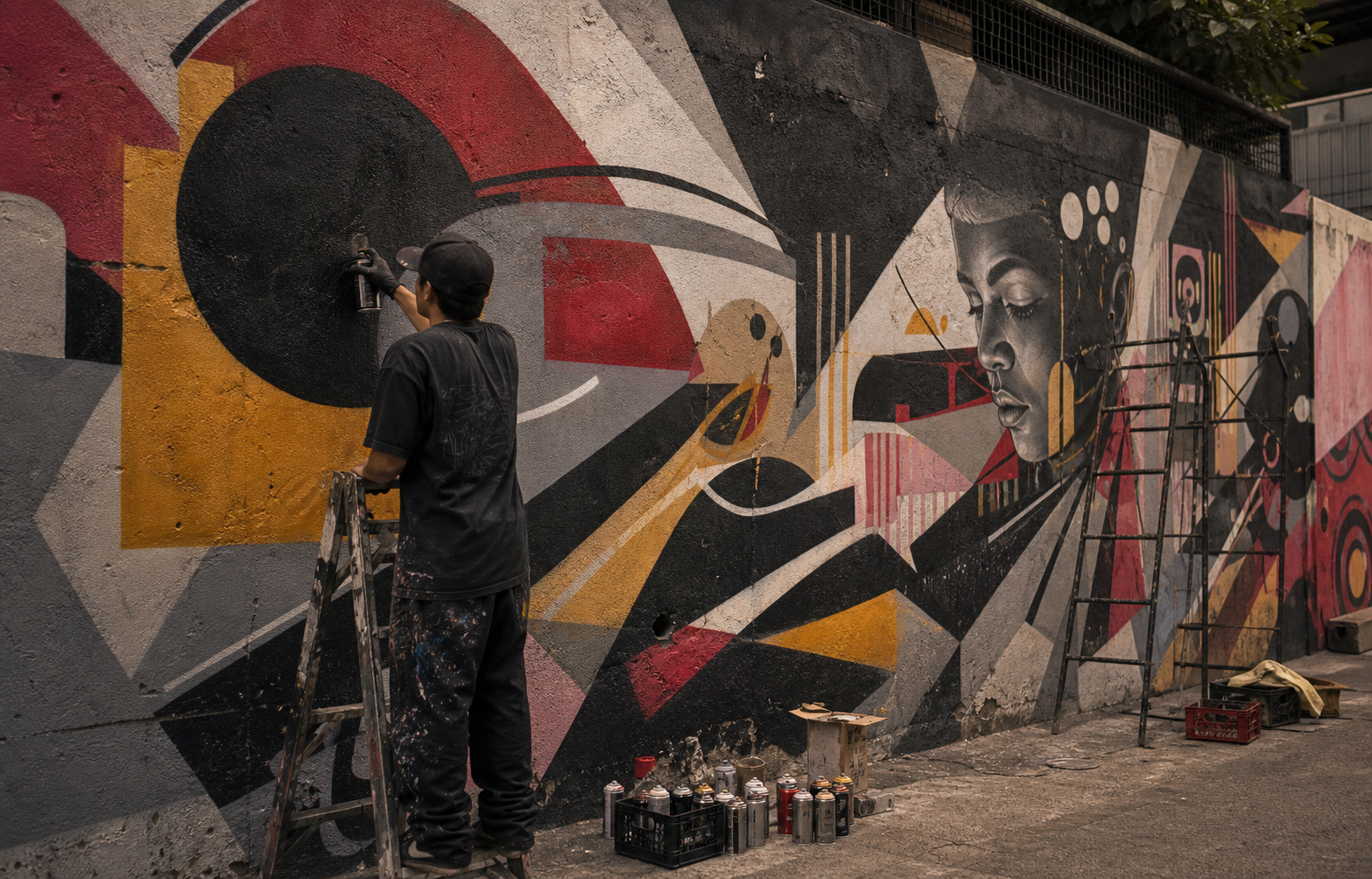
This Westside article reads Tinho Nomura e o graffiti brasileiro em circulação as part of the historical line of graffiti and urban culture. The original date matters because the subject belonged to a different media environment: independent blogs, radio programs, local collectives, DVDs, magazines and early video platforms carried conversations that are now usually concentrated on social networks.
The point is not to reproduce an old text. The article gives the theme a new editorial frame, with attention to memory, territory, language and the way hip-hop culture circulated in 2009.
Why it matters
The subject helps readers understand how Brazilian and global hip-hop scenes built visibility outside the usual mainstream routes. It also creates a useful entry point for search: people looking for artists, documentaries, graffiti, battles, Black culture, education or women in rap can find the topic with context instead of a loose mention.
How to read it now
Read today, the story is valuable because it connects a specific moment to larger questions: who preserved the scene, which spaces gave it voice, how images and interviews shaped memory, and why the topic still deserves to be discovered by a new audience.
The value of the piece is in keeping the subject discoverable without turning it into a loose note: date, scene, character and cultural consequence stay connected.